
The vast, rugged landscapes of desert canyons have long captivated photographers seeking to capture their raw beauty. These geological wonders, with their towering cliffs, swirling waters, and unique rock formations, offer a cornucopia of photo ops that range from breathtaking vistas to intricate close-ups. However, navigating these remote areas can be challenging, with unpredictable conditions and limited access to key viewpoints. This article provides an authoritative guide to the best photo opportunities in desert canyons, including hidden gems and what to see in tombstone, empowering photographers to anticipate, prepare for, and capture the essence of these natural wonders.
- Discovering Desert Canyon's Hidden Gems: A Photographic Journey
- Mastering What to Look For in Tombstone Canyon Scenery
- Capturing the Wild Beauty: Best Times and Tips for Desert Canyon Photo Ops
Discovering Desert Canyon's Hidden Gems: A Photographic Journey
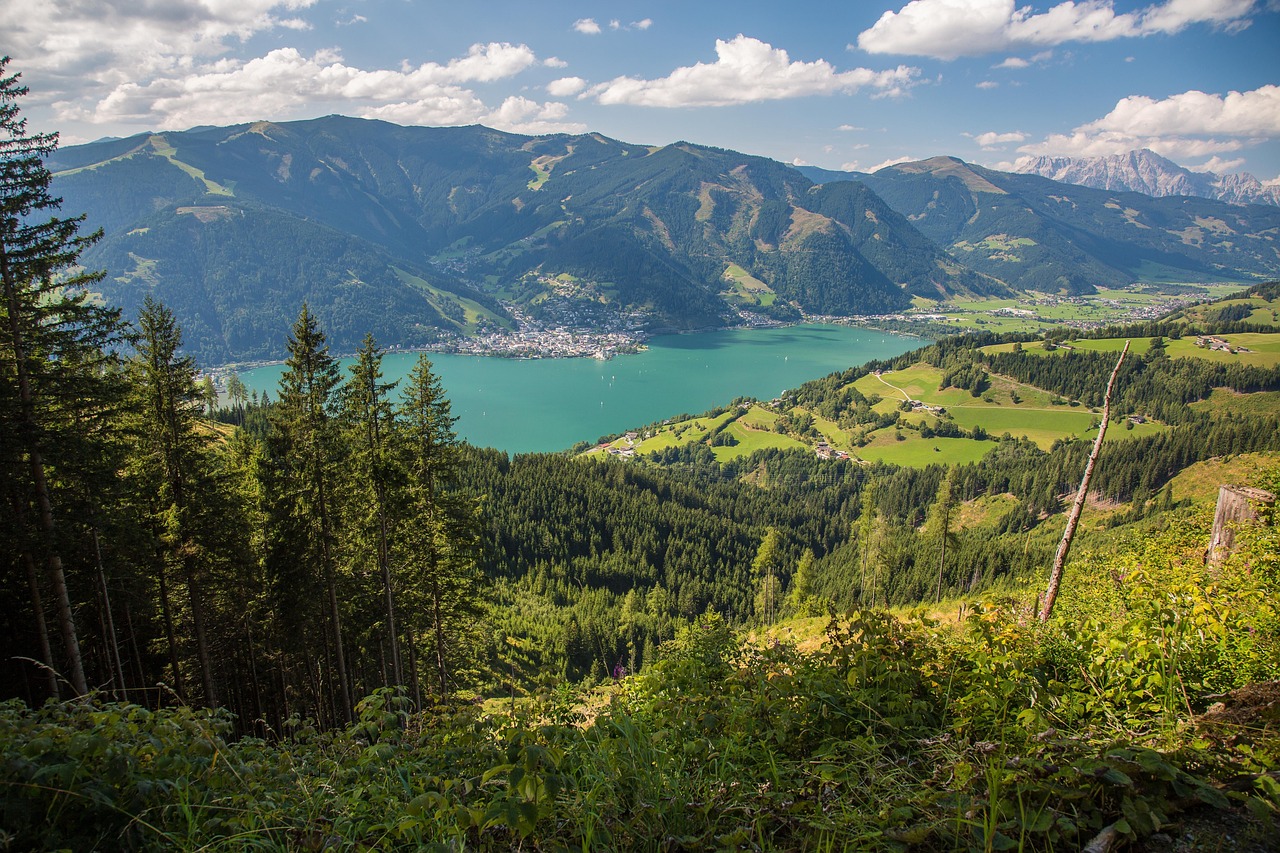
Desert Canyon, a breathtaking expanse of rugged beauty, offers photographers an unparalleled opportunity to capture the essence of the Southwest. Beyond the iconic landscapes, this vast region harbors hidden gems—tombstone Arizona landmarks that tell stories of both nature's resilience and human history. Among these, the most striking are the ancient petroglyphs etched onto sandstone cliffs and the towering monoliths that seem to reach for the sky. These natural monuments provide a visually captivating backdrop for any photographer's portfolio.
To truly appreciate what to see in Desert Canyon, one must venture beyond the well-trodden paths. Explore side canyons where light dances on ancient walls, and look for unusual rock formations that serve as majestic sentinels against the horizon. The best time to capture these scenes is at sunrise or sunset when warm tones envelop the landscape, creating a dramatic atmosphere. For instance, Monument Valley, though not exclusively in Desert Canyon, offers stunning tombstones that have been featured in countless films, making them instantly recognizable worldwide.
When planning your photographic journey, consider the unique characteristics of each season. Spring brings vibrant wildflowers that pop against the stark rock faces, while fall colors add a fiery palette to the already dramatic scenery. Winter can be particularly magical with a blanket of snow adorning the rugged terrain. Keep an eye out for rare species like bighorn sheep, which frequent certain areas, adding an element of wildlife photography to your desert adventure. Local guides and experienced photographers can offer valuable insights into these hidden treasures, ensuring you capture unforgettable images of tombstone Arizona landmarks in all their glory.
Mastering What to Look For in Tombstone Canyon Scenery
Tombstone Canyon, nestled in the heart of Arizona's Sonoran Desert, offers a captivating landscape for photography enthusiasts seeking to master the art of capturing unique desert scenery. When exploring this iconic location, understanding what to look for is key to creating stunning visuals that tell a story. Beyond the famous Tombstone landmarks, the canyon reveals a wealth of natural wonders waiting to be discovered and photographed.
Photographers should embrace the diverse textures and patterns found in the canyon walls, where layers of rock and soil create intricate designs. The distinct geological formations, often featuring striking red, orange, and brown hues, provide a stunning backdrop for close-up shots and dramatic compositions. Keep an eye out for unusual shapes and overhangs, as these elements can add a sense of depth and perspective to your images. For instance, the iconic 'Hanging Gardens' formation offers a unique photo opportunity with its seemingly floating rock formations against the vast blue sky.
Additionally, Tombstone Canyon's diverse flora and fauna offer countless photogenic subjects. From the vibrant wildflowers that bloom during spring to the majestic desert animals like coyotes and bighorn sheep, these elements can bring your photographs to life. Incorporating living subjects into your compositions provides a sense of scale and movement, contrasting with the static nature of the canyon's geological features. Whether capturing the playful antics of desert creatures or framing the delicate beauty of native blooms, these moments will create visually captivating and meaningful images that truly showcase what to see in Tombstone Arizona landmarks.
Capturing the Wild Beauty: Best Times and Tips for Desert Canyon Photo Ops

The vast, rugged landscapes of Arizona's desert canyons offer a captivating backdrop for photographers seeking to capture nature's raw beauty. These iconic landmarks, such as those found in Tombstone, present unique opportunities to showcase the area's dramatic scenery, particularly during specific times of day when the light and shadows create visually stunning contrasts. For aspiring photographers looking to frame the breathtaking vistas, understanding the best practices for desert canyon photo ops is essential.
One of the key considerations is timing. The golden hour, just after sunrise or before sunset, is widely regarded as the most picturesque time to photograph Tombstone's canyons. During these magic hours, the warm, soft light envelops the landscape, casting long shadows and accentuating textures in the rock formations. For dramatic effects, aim to capture the moment when the sun peeks over the horizon, painting the sky with hues of orange and pink—a sight that can turn an already awe-inspiring canyon into a breathtaking masterpiece. Conversely, midday light tends to be harsher, creating intense shadows that may not flatter the natural contours of the canyon walls.
When composing your shots, remember that less is often more. Tombstone's canyons are characterized by their expansive, open spaces, so focus on capturing the vastness rather than crowding the frame with unnecessary elements. Look for clean lines and minimal distractions to highlight the raw beauty of the landscape. Consider using a wide-angle lens to encompass the canyon's grandeur, or experiment with deeper perspectives to emphasize the depth and scale. Additionally, keep an eye out for unique details such as desert wildlife, distinct rock formations, or remnants of ancient civilizations, like those found in Tombstone's historical sites, to add narrative depth to your photographs.
Arizona's Desert Canyons, particularly Tombstone Canyon, offer a photographer's paradise with stunning landscapes and hidden gems. To capture their essence, explore beyond beaten paths, seeking unique rock formations and ancient petroglyphs. The best times for photography are sunrise and sunset, creating dramatic lighting. Each season brings distinct beauty: spring's wildflowers, fall's fiery colors, winter's snow-covered terrain. Local guides can reveal secret spots, enhancing wildlife and historical elements in your shots.
For photographers, focus on canyon textures, geological formations, and the vastness of the landscape. Use wide angles or deeper perspectives for impactful compositions. Time your shots during the golden hour for ideal lighting, avoiding harsh midday sun. Keep frames clean, emphasizing the canyon's raw beauty, and look for wildlife, rock peculiarities, and historical remnants to add depth.